
Videos
Short documentaries, filmed with the people whose stories we tell. Spoken in Arabic · 6 films
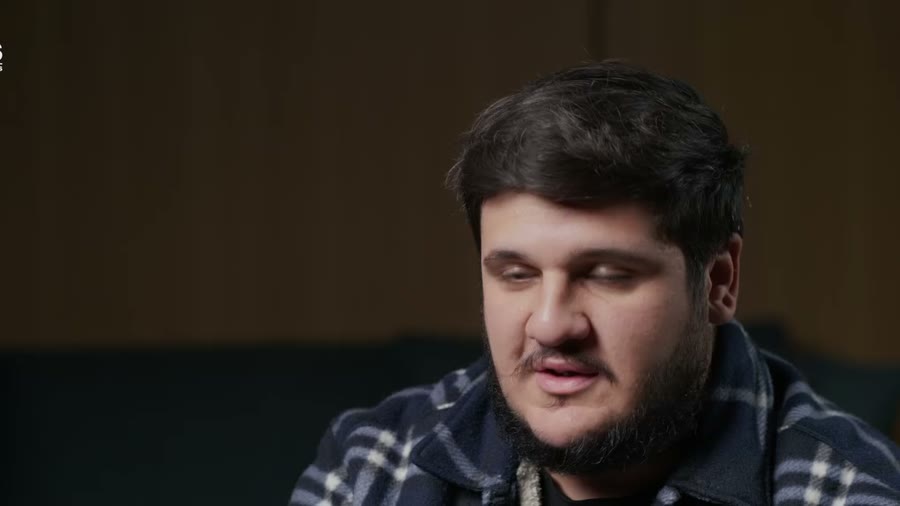 3:49
3:49Mohamed Alqasir
Documentary filmmaker
Mohamed traces his path in documentary film, from his first training programme with the Libyan Film Institute to work that now carries the voice of his community and puts Libya's humanitarian issues on screen. Cinema, he argues, is a real instrument of change and of honest connection between people.
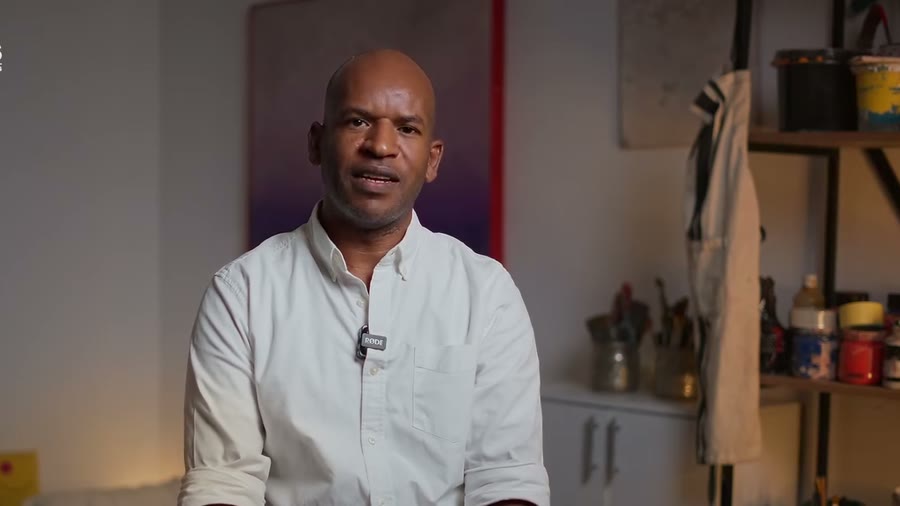 3:53
3:53Omar Baraka
Visual artist, founder of Al-Marsam
Omar has drawn since childhood, then spent years away from it before returning through Arabic letter art, where he found his own voice. Through Al-Marsam he now trains other artists, carries the experiences of people harmed by the wars into their work, and pushes for freedom of expression and human rights in Libya.
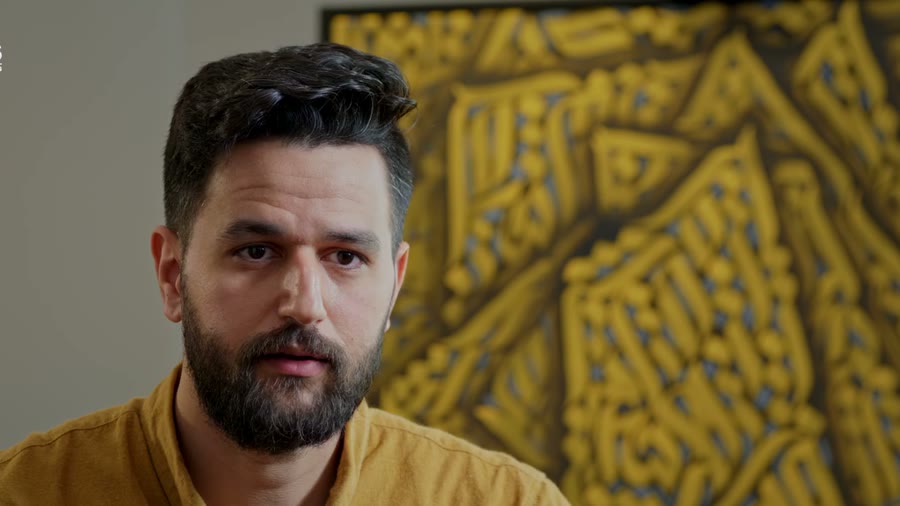 4:07
4:07Amin El Zeyat
Visual artist, director of Funoon
A childhood passion for art that survived every obstacle in its way. Amin now runs Funoon, building cultural awareness and defending freedom of expression in Libya through exhibitions, art projects and public conversation.
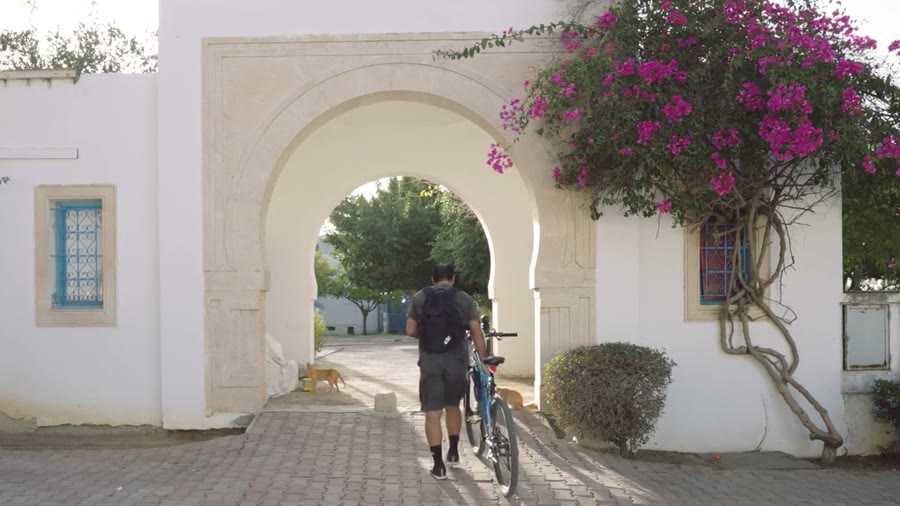 3:01
3:01Raied Gheblawi
Environmental activist
"Climate change threatens Libya." Raied points to the flood that struck Derna, which cost lives before it cost buildings, and describes his years of environmental work teaching young people what the risks are and how communities can prepare.
 3:02
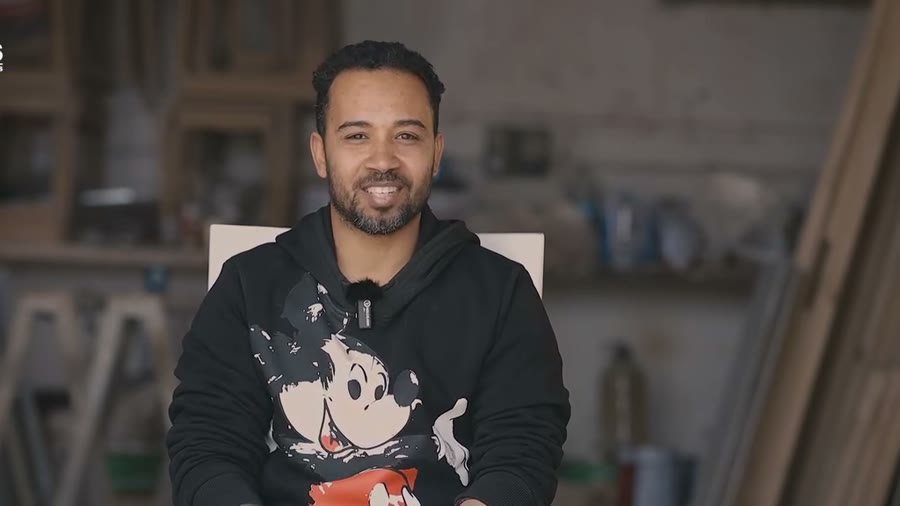
3:02Karim Ghoneim
Wood finisher, from Egypt
Working outside your own country can sharpen your craft faster, Karim says, but only if you are ready to put in far more effort than you would at home. He talks about persistence, the work he has built as a wood finisher in Libya, and the obstacles he met along the way.
 5:11
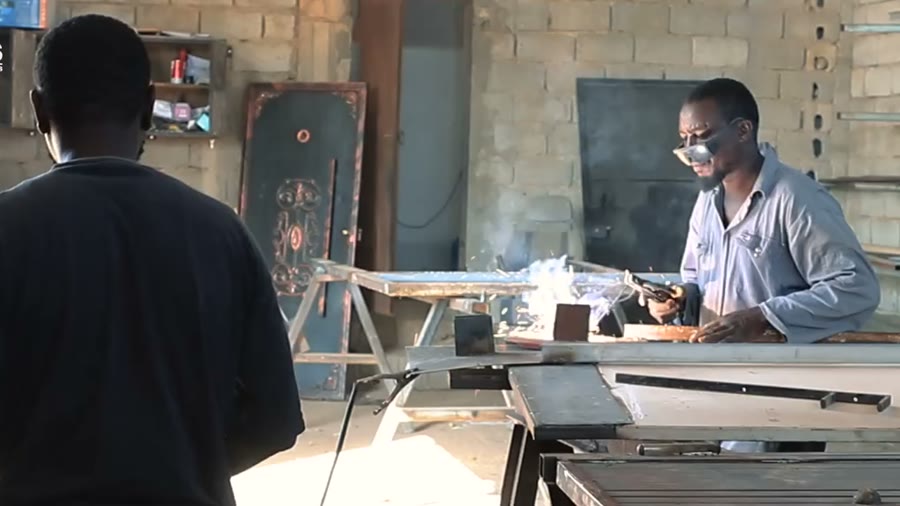
5:11Faisal Al-Tuwair
Blacksmith, returned to Tawergha
After the reconciliation agreement and the return of Tawergha's families to their town, Faisal tells the story of his own journey home from a long displacement, and of his decision to put his trade as a blacksmith to work rebuilding the place so life can start again there.